
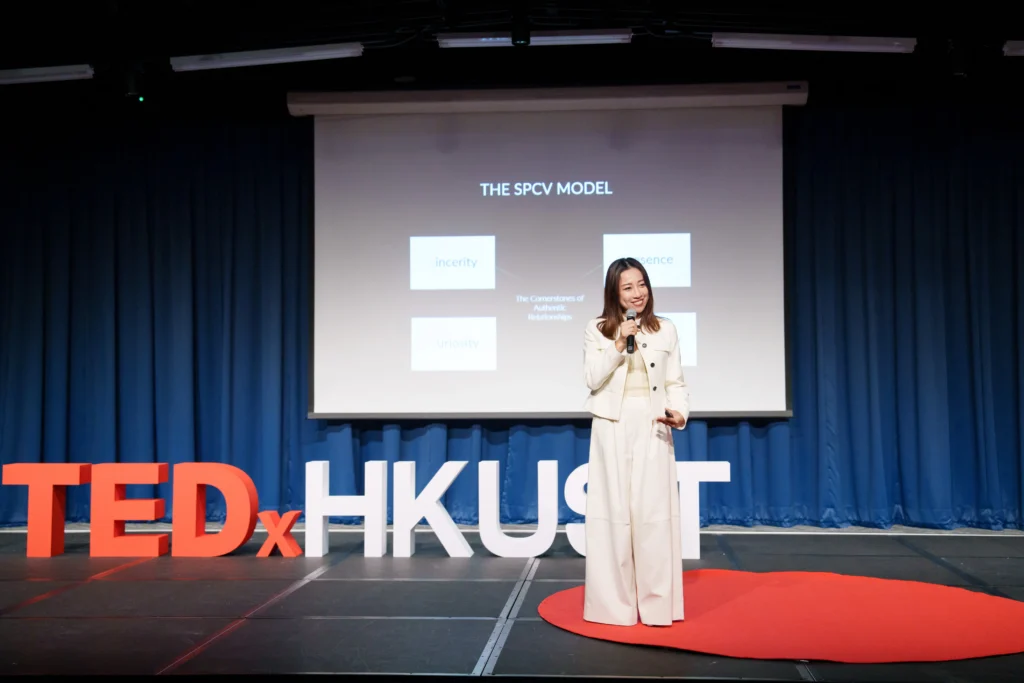
If there is one human skill that sets top performers apart across every industry, it is this:
The ability to build meaningful relationships.
This is the heart of clienteling.
Often misunderstood as just a luxury retail practice, clienteling is actually a universal human skill.
Clienteling is the Art and Science of showing up with intention, curiosity and care, whether you are with a client, a colleague, a business partner or someone in your personal life.
At its best, clienteling is relationship-building with purpose. It helps people feel seen, understood and valued, while creating trust that supports stronger personal and commercial outcomes.
Let me show you what it looks like in action.
Clienteling Is About Professional Presence
Have you ever met someone who lights up the room, even on a virtual meeting?
That is professional presence.
Clienteling is how you carry yourself. It is the energy you bring into a conversation. It is the way you greet others, stay present and show you care through the little details.
It is knowing your craft, showing up prepared and making others feel important.
My mentor from Burberry, Christina Abbott, embodied this effortlessly. Her work ethic, warmth, confidence and curiosity made everyone feel seen, no matter their title.
So pause for a moment and ask yourself:
What does your presence say about you?
Clienteling Is About First Impressions
Have you ever met someone who just gets you within the first minute?
Maybe it is your favourite barista who welcomes you every time with heartfelt small talk.
Or that Sales Associate who makes you feel instantly at ease, as if you have known them forever.
Clienteling means you are not simply ticking boxes with your engagement. You genuinely care.
Great clienteling professionals read the room. They adjust their tone. They use small talk to understand what matters to the person in front of them.
People remember how you made them feel. Clienteling is about creating that emotional connection from the very first moment.
Clienteling Is About Communication Adaptability
Communication is not one-size-fits-all.
Some people want data and structure.
Others prefer stories and connection.
Great clienteling means knowing your audience and flexing your style to meet them where they are.
In business development, this could look like:
• Slowing down your pitch when you are speaking to someone more reflective, giving space for questions instead of rushing to a solution.
• Recognising when a client wants you to get to the point, then delivering your message in one crisp sentence rather than a ten-slide deck.
This is where the Process Communication Model (PCM) can be especially powerful. It helps professionals recognise different communication preferences and adapt more intentionally in the moment.
Clienteling Is About Storytelling With Purpose
Storytelling in clienteling is not a one-way performance.
It is an interactive framework.
It is how you guide the conversation with intention and co-create meaning with the client.
Here is how it flows:
• Start with a hook.
• Connect it to what matters to the other person.
• Show what is possible.
• Back it up with credibility.
• Then, before proposing anything, invite their input.
Because when a client feels part of the story, they are far more likely to trust where it leads.
Clienteling Is About a Win-Win Mindset
This is not about pushing your own agenda.
It is about co-creating outcomes where both sides benefit, and where the other person wins first.
It might sound like:
“Let me offer you a complimentary service to try, so you can experience the value first-hand.”
“I’ll take care of this today, I know it is important to you.”
“Let me stay late to finish this, so you can go celebrate your child’s birthday.”
In each example, you are bringing value, empathy and partnership to the table.
That is what earns trust.
That is what builds loyalty.
Why Clienteling Is a Human Skill, Not Just a Luxury Tactic
Clienteling is not a luxury tactic.
It is about being human with intention.
And in a world where trust and meaningful relationships can feel increasingly rare, it may be one of the most important skills to master.
Relationship-building is also widely recognised as essential in the workplace. Harvard Business Review has written about the value of healthy professional relationships, while the Center for Creative Leadership describes communication as one of the core leadership skills needed across roles and industries.
At The Clienteling Academy, this is why we teach clienteling as both Art and Science.
The Art is presence, curiosity, storytelling, empathy and emotional connection.
The Science is structured client development, communication adaptability and understanding how different people prefer to engage.
Together, they help professionals move beyond transactional interactions and build relationships that last.
Ready to strengthen your team’s clienteling skills? Book a discovery call to explore how The Clienteling Academy can support your business.
This Week’s Reflection
Take a moment to reflect:
How well are you and your team applying clienteling in your day-to-day interactions?
Are you showing up with presence?
Are you creating meaningful first impressions?
Are you adapting your communication style?
Are you telling stories that include the client?
Are you creating outcomes where the other person wins first?
Because clienteling is not only what happens in a boutique.
It happens in every conversation where trust, care and intention are present.
FAQ
What are clienteling skills?
Clienteling skills are relationship-building behaviours such as presence, curiosity, communication adaptability, storytelling and follow-through. They help professionals create trust and meaningful connection.
Is clienteling only for luxury retail?
No. While clienteling is often associated with luxury retail, its principles apply to leadership, business development, hospitality, client service and any relationship-led environment.
Why is clienteling important?
Clienteling helps professionals move beyond transactional interactions. It strengthens trust, improves communication and supports long-term relationships with clients, colleagues and partners.
How does The Clienteling Academy teach clienteling skills?
The Clienteling Academy teaches clienteling through the Art and Science of Clienteling, combining emotional connection, strategic client development and communication adaptability.
How can leaders apply clienteling?
Leaders can apply clienteling by showing presence, listening actively, adapting communication, recognising individual needs and creating win-win outcomes for their teams and stakeholders.