Great training shouldn’t end when participants leave the room. It should continue through the behaviours they apply every day.
For many professionals, attending training feels more like an obligation than an opportunity.
Three hours.
Half a day.
Sometimes even a full day.
Listening to theories that rarely translate into everyday work.
Meanwhile, your inbox keeps growing.
Clients are waiting.
Meetings continue to pile up.
I know the feeling because I’ve experienced it myself.
During my corporate career, I attended plenty of training sessions that, if I’m honest, I would have politely declined.
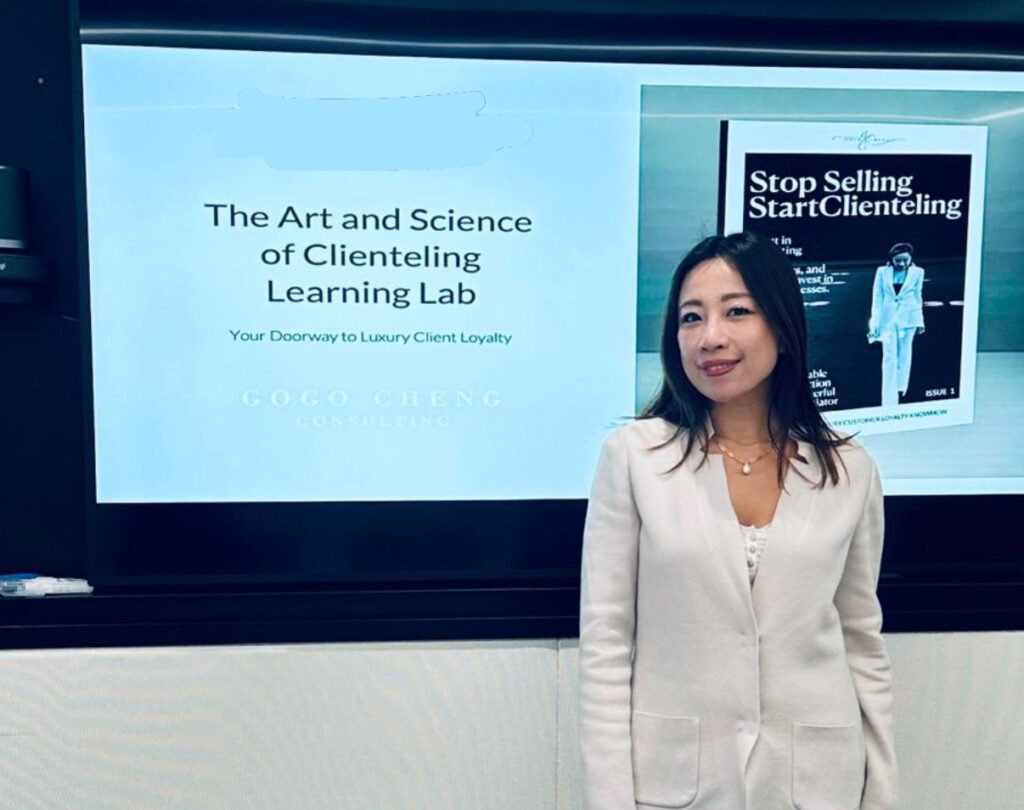
Those experiences shaped how I designed both The Art and Science of Clienteling™ and The Leadership Presentation Workshop.
They also taught me why so many learning experiences fail to create lasting impact.
The most effective learning experiences don’t simply transfer knowledge. They create behaviour change through relevance, engagement and consistent reinforcement.
1. There Is No Meaningful “Why”
Too often, training begins with slides rather than purpose.
Participants immediately start asking themselves:
“Why am I here?”
Without a relatable story or a clear business context, attention disappears before learning even begins.
People engage when they understand why something matters to them.
Not just to the organisation.
2. Too Much Theory, Not Enough Practical Application
Great frameworks are valuable.
But only if people know how to apply them.
Many programmes introduce impressive models without showing participants exactly how to use them in real conversations and real situations.
Learning should leave people thinking:
“I can use this tomorrow.”
Not:
“That was interesting.”
3. One Learning Style Doesn’t Fit Everyone
Lecture-heavy workshops rarely keep people engaged for long.
Every group contains different learning preferences.
Some people learn by doing.
Others need structure.
Some remember stories.
Others learn through discussion and reflection.
The best learning experiences create opportunities for everyone to participate.
Not simply listen.
4. The Learning Experience Doesn’t Reflect the Brand
Design communicates long before the trainer speaks.
We’ve all experienced presentations filled with crowded slides, endless bullet points and generic visuals.
Participants quickly assume the learning will feel just as uninspiring.
Luxury brands deserve learning experiences that reflect the same level of care they deliver to their clients.
Elegant.
Thoughtful.
Beautifully designed.
Easy to absorb.
5. Learning Ends When the Workshop Ends
Training should never be a standalone event.
Without reinforcement, coaching and ownership, even the most inspiring session gradually fades.
Lasting behaviour change happens through consistent practice.
Clear milestones.
Thoughtful follow-up.
And leaders who continue reinforcing new behaviours long after the workshop finishes.
Ready to create learning experiences that inspire lasting behaviour change? Book a discovery call to explore how The Clienteling Academy can support your team.
Luxury Learning Should Create Behaviour Change
When I designed The Art and Science of Clienteling™ and The Leadership Presentation Workshop, these lessons guided every decision.
Our ambition has never been to deliver another workshop.
It has been to create a luxury learning experience.
One that balances inspiration with practical application.
One where no facilitator speaks uninterrupted for more than a few minutes before inviting participation.
One where every scenario, discussion and example reflects the realities of the luxury industry.
Most importantly, learning doesn’t end when the workshop finishes.
It continues through structured reinforcement, practical application and behaviour-led follow-up.
Because knowledge alone doesn’t change organisations.
Behaviour does.
This Week’s Reflection
Before planning your next learning programme, ask yourself:
- Do participants clearly understand why they’re there?
- Will they leave knowing exactly how to apply what they’ve learned?
- Does the learning experience reflect your brand standards?
- How will new behaviours be reinforced after the workshop?
Because great training isn’t measured by what people remember.
It’s measured by what they do differently afterwards.
FAQ
Why do training programmes fail?
Many training programmes focus on knowledge transfer but overlook practical application, behaviour change and long-term reinforcement.
What makes luxury training different?
Luxury training should reflect the same standards as the brand itself, combining engaging design, practical relevance and personalised learning experiences.
How can businesses improve learning outcomes?
By creating engaging, behaviour-led programmes supported by coaching, follow-up and opportunities for continuous practice.
How does The Clienteling Academy design learning programmes?
Through the Art and Science of Clienteling, The Clienteling Academy creates bespoke learning experiences that combine behavioural science, practical application and luxury industry expertise to deliver lasting capability development.